How To Choose Books That Actually Sell On Amazon
This guide reveals the book categories and niches that generate consistent sales on Amazon, plus the research methods successful publishers use to spot opportunities others miss. You’ll learn why category selection matters more than writing talent and how to validate demand before you write a single page.

Amazon’s marketplace rewards publishers who choose categories with hungry buyers and manageable competition. Most authors skip the research step and publish what they love instead of what sells. The best books to publish on amazon blend your strengths with proven demand in niches you can actually dominate. Your category choice matters more than your writing talent.
Self-Help Books With Narrow Focus Areas
Self-help remains one of the most profitable categories on Amazon in 2026. You need a specific angle though. Broad topics like productivity or confidence attract too many established authors. You can’t compete with years of reviews and marketing budgets.
Target micro-niches instead. A book about productivity for remote software engineers beats generic productivity guides. Focus on time management for divorced parents. Write about confidence building for career changers over fifty. Each narrow focus connects with readers who feel unserved by mainstream titles.
These buyers actively search for solutions tailored to their exact situation. They scroll past general books because those feel irrelevant. Your narrow book becomes the only option. You win by default in searches nobody else thought to target.
Research these niches by browsing subreddits and Facebook groups. People share their exact struggles in those spaces. Turn repeated complaints into chapter topics. One author listened to new homeowners discuss their renovation stress. She wrote a guide about managing contractor relationships. It found an audience immediately.
Low-Content Books for Planners and Organizers
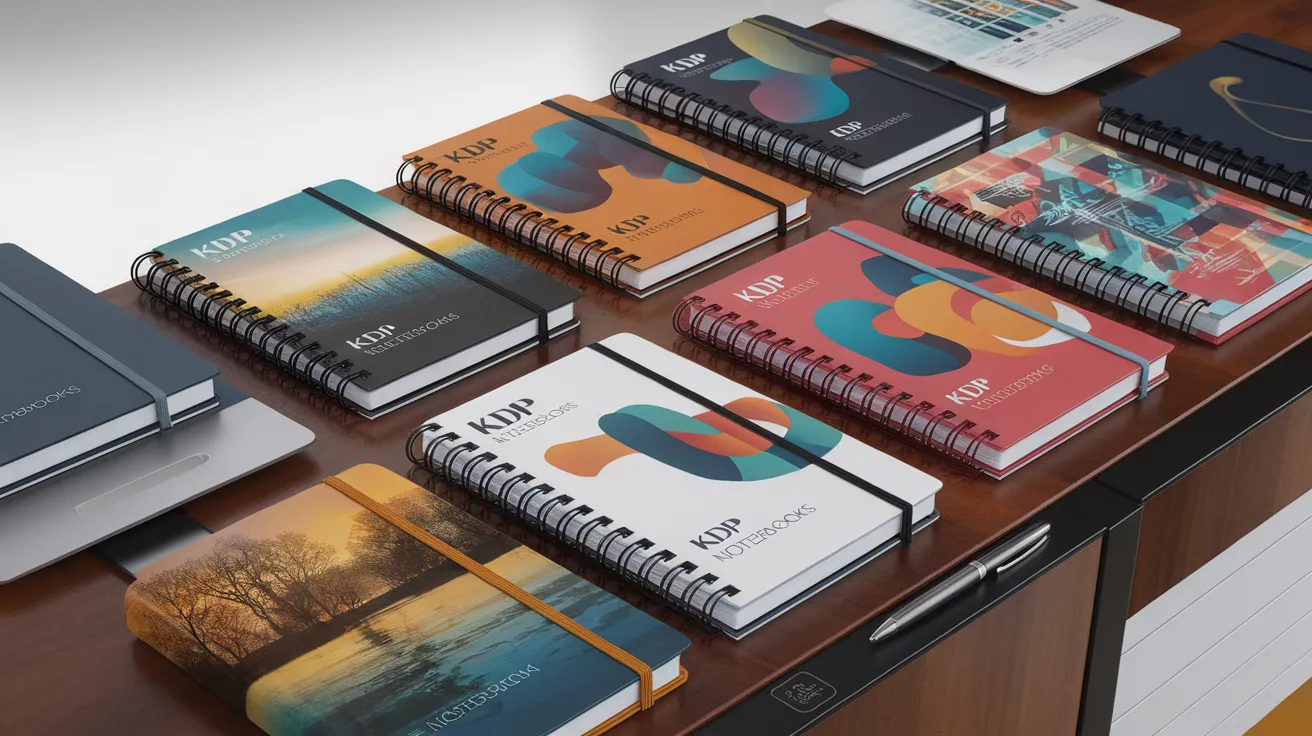
Low-content publishing means creating books with minimal written material. Think journals, planners, logbooks, and trackers. These products need design work but almost no writing ability. You create the interior templates and move on.
The market grew significantly since 2024. Buyers want physical planners despite digital alternatives. They use paper for habit tracking, budget planning, and meal prep organization. Each function represents a different book opportunity.
Success here depends on spotting gaps in existing offerings. Search for fitness journals on Amazon. Notice what layouts people complain about in reviews. Maybe the tracking boxes are too small. Perhaps there’s no space for notes. You build a better version addressing those specific complaints.
Create seasonal variations of popular formats. A garden planning journal sells well in spring. A holiday budget tracker gains traction in November. Stagger your releases throughout the year to maintain consistent income. This approach builds a catalog faster than writing traditional books.
Best Books to Publish on Amazon in Specialized Hobbies
Hobby niches generate devoted buyers willing to pay premium prices. Collectors, crafters, and enthusiasts buy multiple books about their interests. They treat books as references rather than one-time reads.
Look for hobbies with active communities but limited publishing attention. Resin art exploded in popularity recently. Urban foraging gained followers during the pandemic and kept growing. Vintage camera restoration attracts passionate practitioners. Each hobby needs instructional content from people who actually practice the craft.
Your credibility matters here more than in other categories. Readers spot fake expertise instantly. Write about hobbies you genuinely understand. Share specific techniques you’ve tested yourself. Include photos of your own work or projects.
Price these books higher than mass-market paperbacks. Hobbyists expect to pay more for specialized knowledge. A detailed guide to fountain pen maintenance sells for twice what a general writing book commands. Buyers see the value in expertise.
Short Romance and Fiction Series Starters
Fiction requires different thinking than non-fiction. Standalone novels face brutal competition from established authors. Series starters offer better odds because readers binge once they connect with characters.
Romance subgenres provide the clearest path to sales. Contemporary romance, paranormal romance, and romantic suspense all have dedicated readers. These audiences consume books weekly. They actively hunt for new series to follow.
Keep your first book short and priced low. Many successful authors release book one at ninety-nine cents. The goal isn’t profit on that title. You want readers hooked enough to buy books two through five at full price.
Write several books before publishing the first one. Release them monthly once you start. Consistent releases keep readers engaged and improve your visibility in Amazon’s algorithm. Gaps longer than six weeks between books cost you momentum.
Study top sellers in your chosen subgenre. Notice their cover styles, blurb formulas, and series lengths. You’re not copying their stories. You’re learning the packaging conventions readers expect. Meet those expectations or readers scroll past.
Cookbooks Targeting Specific Diets and Appliances
General cookbooks struggle against celebrity chefs and food bloggers. Specialized cookbooks thrive because they solve specific problems. Someone buying an air fryer wants air fryer recipes immediately. They don’t want general cooking advice.
Appliance-specific cookbooks sell whenever people buy the appliance. A new kitchen gadget creates a spike in related book searches. Monitor trending products and create cookbooks around them. This strategy gave early publishers wins with Instant Pots and air fryers.
Diet-specific cookbooks maintain steady demand. Keto, vegan, anti-inflammatory, and low-FODMAP diets all need recipe collections. Combine a diet with an appliance for even tighter focus. Keto air fryer recipes. Vegan slow cooker meals. You reduce competition with each added qualifier.
Include beautiful food photography if possible. Phone cameras work fine for recipe books now. Readers want to see finished dishes. The visual confirmation that recipes work drives purchase decisions more than ingredient lists.
Business and Marketing Guides for Micro-Industries
Business books for broad audiences face impossible competition. Target tiny industries instead. Every profession needs guides written specifically for their world. Accountants and lawyers have plenty of resources. Wedding planners and pet groomers get less attention.
Write marketing guides for house painters. Create business startup manuals for mobile mechanics. Develop client management systems for personal trainers. Each micro-industry speaks a different language and faces unique challenges. Generic business advice doesn’t transfer directly.
Your book becomes required reading when it’s the only resource addressing someone’s exact situation. A landscaper searching for marketing help doesn’t want social media strategies for tech startups. They want referral systems for residential services. Give them precisely what they need.
Price these books at the higher end of Amazon’s range. Professional buyers expense these purchases. They care about solving their problem, not saving five dollars. A thirty-dollar guide sells as well as a fifteen-dollar one when it’s the only relevant option.
Educational Workbooks for Homeschool Parents
Homeschooling continues growing across multiple countries. Parents constantly search for supplementary materials beyond their core curriculum. They need practice workbooks, activity sheets, and skill builders for every subject and grade level.
Create workbooks targeting specific skill gaps. Multiplication fact fluency for third graders. Reading comprehension for visual learners. Handwriting practice with encouraging prompts. Each narrow focus serves parents struggling with that exact teaching challenge.
Package your workbooks by grade level and subject. Parents buy in sets when they find materials their children engage with. One successful writing workbook leads to sales of your math and science versions.
Test your materials with real children if possible. Parents leave detailed reviews about whether activities work. Poor engagement gets called out immediately. Your second edition should address common feedback from your first release.
Frequently Asked Questions
What type of book sells fastest on Amazon for new publishers?
Low-content books and niche non-fiction sell fastest because you need less content creation time. Romance series starters also move quickly once you build a small catalog of follow-up books.
Do I need to write long books to succeed on Amazon?
Short focused books often outsell longer general ones. Readers want solutions to specific problems. A hundred-page guide solving one issue beats a three-hundred-page book covering everything superficially.
Can I publish books on topics I’m not an expert in?
You can publish low-content books and planners without expertise. Fiction also doesn’t need credentials. Non-fiction and instructional content performs better when you demonstrate real knowledge through specific details.
How many books do I need before making consistent income?
Most publishers need at least ten to fifteen books before seeing reliable monthly income. Each book creates another entry point. More titles means more chances for readers to discover your catalog.
Should I publish only in one category or diversify?
Start in one category until you understand what sells. Build credibility and reviews in that space first. Diversify after you’ve established success and learned the publishing process thoroughly.
Choose your most promising niche from this list and research the top twenty books in that category today.